Data Privacy and Anonymization

Engineer trust into every stage of the ML lifecycle—lawful processing, minimal data, and anonymization that holds up to reuse, audits, and real-world attacks.

Why privacy matters

Earn trust without slowing innovation

The same signals that fuel models can also expose people. Strong privacy design turns compliance into a product advantage—not a bottleneck.

01

Widen acceptable use cases

Show regulators and customers you can innovate with sensitive workloads where others cannot.

02

Cut re-identification risk

Shrink attack surface in training sets, embeddings, telemetry, prompts, logs, and model outputs.

03

Move data across borders

Pair technical controls with governance so transfers, subprocessors, and retention stay defensible.

04

Ship privacy-aware MLOps

Version datasets, reproducibility, monitoring, and access patterns that do not widen PII exposure.

Jurisdictions & sector rules—we map controls to GDPR, HIPAA, PCI, SOC 2, and AI governance expectations.
6
Technical dimensions we review—from lawful basis through synthetic data and anonymization verification.

Privacy is measurable. We help teams document claims, justify retention, prove minimization, and stress-test anonymity before data leaves your trust boundary.

Where we focus

Privacy building blocks across the AI stack

From governance and contracts to the math of noise and k-anonymity—pick the layers you need. We keep the same narrative for legal, security, and ML teams.

Governance meets ground truth

Align DPIAs, RoPA, contracts, and vendor flows with what your pipelines actually ingest, cache, and retain.

Anonymization that survives reuse

Structured, text, embeddings, and aggregates—methods matched to downstream risk before you share or benchmark.

Training & fine-tuning posture

Purpose limitation, lawful basis, retention, and rights workflows tied to datasets that feed your models.
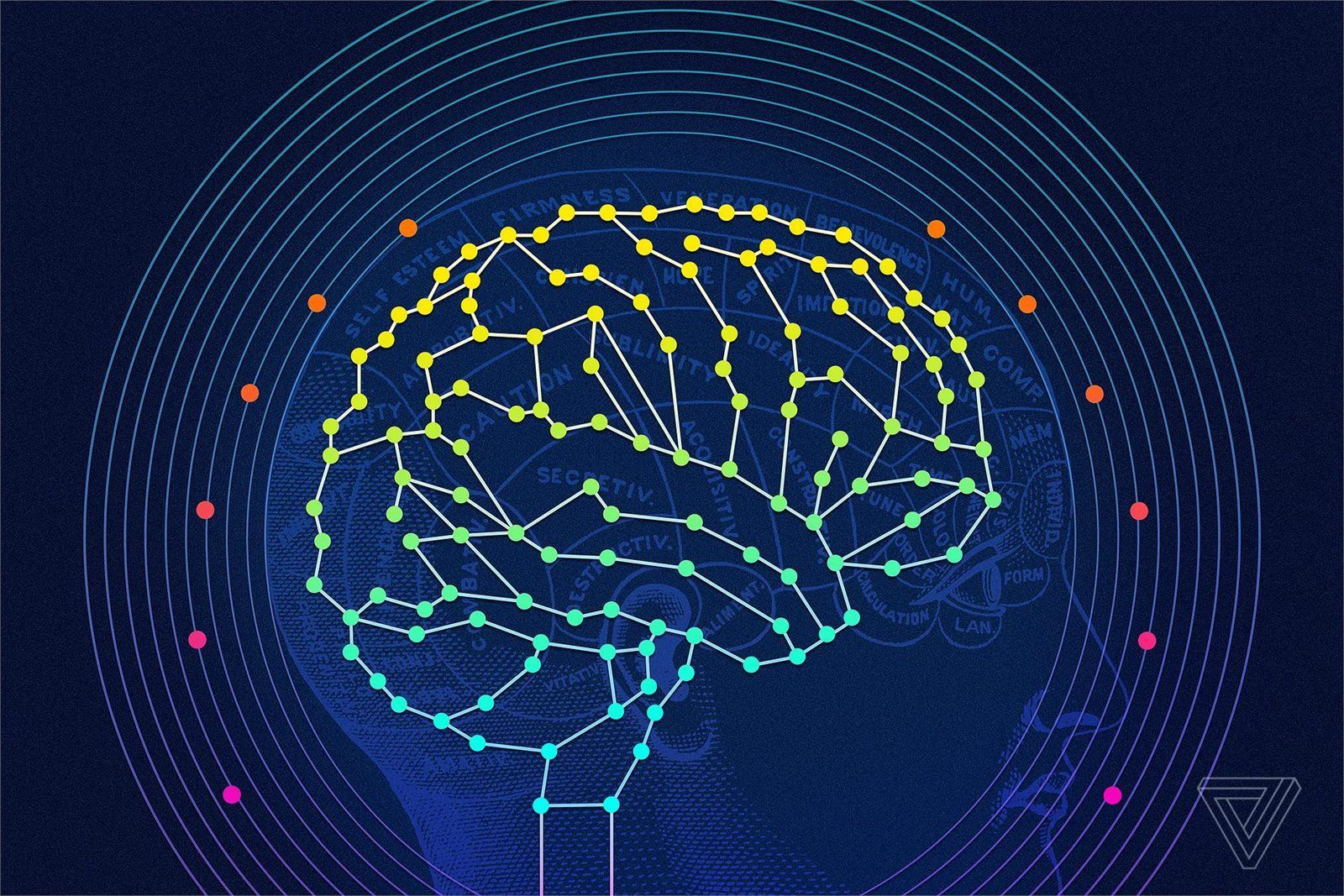
Inference & telemetry hygiene

Minimize prompts, logs, and outputs so monitoring and experimentation do not silently recreate identifiers.

Questions on cross-border transfers or sector rules? Reach out
“Treat privacy as engineering, not paperwork. When minimization, keys, and anonymization tests match how models learn, compliance and velocity stop fighting each other.”
— AI Security: privacy & adversarial risk practice
Privacy engineering

The benefits of rich data, with boundaries you can defend

Combine policy clarity with controls that engineers can implement—so every release documents what changed in the data path.

  • Lawful basis, purpose limitation, and retention mapped to each AI use case.
  • Pseudonymization, key management, and access patterns that stay accountable.
  • Aggregation, k-anonymity, differential privacy, and synthetic data where they actually help.
  • Testing for re-identification, linkage, and memorization before data or models leave your boundary.
How we help

Advisory, engineering, and verification

Advisory

Privacy & data protection

Interpret AI-related obligations—RoPA, DPIAs, vendor due diligence, and alignment with GDPR, sector rules, and emerging AI governance.

Engineering

Technical privacy controls

Design pipelines for tokenization, masking, confidential paths, logging, and least-privilege access so controls match real risk.

Assurance

Anonymization testing

Stress-test anonymity and model behavior—re-identification, linkage, membership inference—so claims are evidenced, not asserted.

Need a session? Contact today
Broader offerings AI Security Services

Tell us what you’re building

Whether you’re hardening inference, cleaning training corpora, or standing up DPIAs for generative workloads—we’ll match technical depth with language your legal team can use.

Get in touch